pexels-gustavo-fring-5934221

Reasons why businesses go bankrupt

A shocker: according to Trading Economics, 132 businesses filed for bankruptcy or were declared bankrupt in June 2021, down from 191 in May 2021. Additionally, given the high rates of unemployment in South Africa, our economy is far from rosy. 
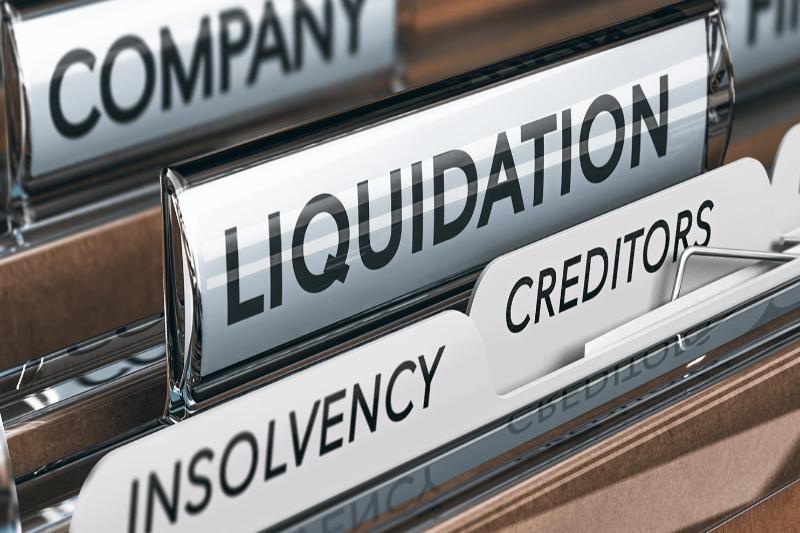
Note that a company does not need to have assets to be declared bankrupt. If the liabilities exceed its assets and it is unable to pay debts when these become due, the business must liquidate, according to the Companies Act. Liquidation is the process of bringing a business to an end and distributing its assets to claimants, which occurs when a company becomes insolvent (a financial state of affairs wherein the individual/business’s income is insufficient to pay its monthly expenses and debt). This is also known as “winding–up”. 

Liquidation of a business/company, according to SARS may happen:  

  • When a business/company is unable to pay its debts
  • As a result of a legal court process
  • By application of the creditors
  • Voluntary, i.e. applied for by members of a Close Corporation (CC)
  • When the business owner decides to do something different, or even perhaps retires for a well-earned rest.

There are two distinct types of insolvency: factual insolvency and commercial insolvency. When a company’s liabilities outweigh its assets, it is said to be in fact insolvent since it is unable to make payments on its debts when they become due. Even though the company has more assets than obligations, commercial insolvency happens when there is not enough cash on hand to fulfill the bills.

One of the benefits of being a shareholder is the protection limited liability provides. When a corporation is liquidated, the majority of the time the remaining debts are wiped off, and the shareholders are not held personally responsible for the firm’s debts. However, a court may rule that the directors and stockholders may be held personally accountable if it is discovered that the business was running when it actually should have filed for liquidation.

Apart from liquidation, another way is for a business to deregister. When a company voluntarily deregisters with the Companies and Intellectual Property Commission (CIPC), it implies the business/company is no longer registered and has no legal standing since it’s not doing any business nor has assets or liabilities. 

Once a business/company receives confirmation from CIPC that they have been deregistered, the registered representative should visit their nearest SARS branch and make sure the business or company is deregistered for all the various types of tax.  

Helpful links:  

Employers – Guide for employers in respect of Employees’ Tax

Micro Businesses – Turnover Tax (TT)

Vendors – Cancellation of VAT registration.  

Source: SARS

CCACB46D-29B8-4FEC-B033-D284D55E4B04

Common startup failure reasons in South Africa

South Africa has one of the highest business failure rates in the world, with five out of seven of these businesses failing within the first year of operation. This is worth looking into if you are considering starting a business or have a new startup who wants in for a long haul. Read on…

For a country with such a high rate of unemployment, this is very concerning. SMMEs play a crucial role in counteracting the major challenge of unemployment. What’s the gap between SMMEs and acquiring talent/skills from the qualified? 

As said by the specialist advisory service, access to finance is a major stumbling block,  with only 6% of SMMEs report to have received government support. Although there are government programmes and initiatives, some still find it relatively difficult to get funding due to criterion and/ or requirements.

Although there are many different reasons why start ups fail, we can’t narrow it down to 1 thing. This is worth looking into. In this blog, we will look at only 3 reasons why…

3️⃣ common reasons why South African startups fail:

1️⃣ Liquidation

In finance and economics, liquidation refers to the closing of a business when liabilities exceed assets and it can be resolved by voluntary action or by an order of the court. “216 companies were liquidated in March 2021, compared to the 178 the month before – a 21% jump. Voluntary liquidations increased by 61 cases and compulsory liquidations increased by 10 cases. This is 49% higher than the total liquidations registered in March 2020.”

Sourcewww.businesstech.co.za/news

2️⃣ Lack of skills and knowledge

They say “illiteracy in business is another reason for small business failure.although it is worth noting that finding skills/talent is not limited to finding a good cashier for example, but finding the skills + right attitude. This means finding a person with people skills (attitude towards customers), and functional skills (e.g., planning, organizing, leading and controlling). Find a team with both technical skills and people skills to keep customers coming back.

3️⃣ Poor sales and marketing

Sales is the heart of a business and marketing keeps it alive. Nothing’s more important than brand awareness. No matter how great your product/service might be, your business will take a dip if no one knows about it. Sometimes you don’t need a 20 page business plan, you need proper marketing! 

It is by far more costly to to win a new market than to preserve an existing one. It takes time to raise brand awareness, build up sales, build a new team, etc. If you can, save your small business.